Common garden maintenance mistakes Ickenham homeowners make
If your garden in Ickenham has started looking a little tired, patchy, or just harder to keep on top of, you are not alone. A lot of homeowners do the right things in the wrong order, or leave small jobs too long until they become bigger ones. And that is usually where the trouble starts. This guide breaks down the common garden maintenance mistakes Ickenham homeowners make, why they matter, and what to do instead so your outdoor space stays healthier, tidier, and far less stressful to manage.
Whether you are looking after a compact front garden, a family lawn, a mature hedge line, or a larger back garden with mixed planting, the same few mistakes crop up again and again. Some are simple timing issues. Others are down to using the wrong tools, cutting too much, or trying to "fix" one problem and accidentally creating two more. Let's face it, gardening often looks easier from the kitchen window than it does with muddy gloves on.
In the sections below, you will find practical advice, real-world examples, and a few simple checks you can use straight away. If you decide the job has grown beyond a sensible weekend project, you can also look at professional garden maintenance support or browse the wider services overview to see what fits.
Table of Contents
- Why these mistakes matter
- How garden maintenance should work
- Key benefits of getting it right
- Who this guide is for
- Step-by-step guidance
- Expert tips for better results
- Common mistakes to avoid
- Tools, resources and recommendations
- Law, compliance and best practice
- Options and comparison table
- Case study
- Practical checklist
- Conclusion
- Frequently asked questions
Why Common garden maintenance mistakes Ickenham homeowners make Matters
Garden maintenance sounds straightforward until the consequences of a few small errors start adding up. In Ickenham, where many gardens include mature shrubs, hedges, lawns, paving, and seasonal planting, a missed cut or an overzealous prune can quickly affect the whole outdoor space. A lawn that is cut too short weakens in dry weather. A hedge trimmed at the wrong time can look sparse for months. Wet leaves left sitting on paths can create a slippery mess. It all connects.
There is also the local reality of busy family life. People mean to stay on top of things, then a few weekends disappear, rain arrives, the grass gets too long, and the job becomes more awkward than it should have been. You know the pattern. Once a garden slips, it often slips fast. That is why understanding the mistakes matters: it helps you prevent a small issue from becoming a full reset job.
Another reason this topic matters is cost. Small maintenance jobs are usually far cheaper and easier than major recovery work. A neglected border might only need weeding and edging now. Leave it for months, and you may be looking at a larger clearance job, more plant replacement, or damage to decking, fencing, or hard landscaping. If a garden has reached that stage, a service such as garden clearance can be a sensible starting point before you rebuild the space.
And there is a simple comfort factor too. A well-kept garden is easier to enjoy. It smells fresher after rain, feels calmer to look at, and tends to reward you rather than nag at you every time you open the back door. That may sound small, but it really is not.
How Common garden maintenance mistakes Ickenham homeowners make Works
Good garden maintenance is less about doing everything constantly and more about doing the right task at the right time. The basics are familiar: mowing, trimming, deadheading, feeding where needed, clearing fallen debris, checking drainage, and watching for pests or disease. The process works best when you follow the garden's natural rhythm rather than forcing everything into one rushed weekend.
For example, a lawn usually benefits from regular cutting at a sensible height rather than a dramatic scalp once a month. Hedges do better with planned trimming rather than a quick hack with dull shears. Shrubs often need light shaping, not severe cutting. Borders need routine weeding and mulching so the soil holds moisture and unwanted growth does not take over. Tiny adjustments, repeated well, usually beat heroic interventions. Every time.
In practical terms, maintenance works in layers:
- Observe what the garden needs now, not what you expected it to need last month.
- Prioritise the jobs that protect plant health first, then deal with appearance.
- Use the right method for each area: mowing for lawns, trimming for hedges, pruning for specific growth control, and clearance for accumulated debris.
- Repeat at steady intervals so small issues do not become major ones.
That simple approach is why many homeowners choose to combine occasional DIY care with scheduled support from a lawn mowing service or hedge trimming support when time is tight or the growth has got away from them.
To be fair, most garden mistakes happen because people are trying to be helpful. The trouble is that nature does not always respond instantly, and some damage only shows up a few weeks later. That is what makes maintenance feel a bit deceptive. A tidy cut can look good today and still be the wrong move.
Key Benefits and Practical Advantages
Getting maintenance right is not just about kerb appeal, although that matters. It also makes the garden easier to live with, easier to manage, and less expensive to fix later. Here are the practical gains homeowners usually notice first:
- Healthier planting: less stress on grass, shrubs, and trees means stronger growth over time.
- Better-looking space: clean edges, even mowing, and well-kept beds make the whole garden feel intentional.
- Reduced repair work: fewer damaged plants, fewer blocked drains, and less rot or moss build-up around hard surfaces.
- Less weekend pressure: small, regular tasks are much easier than a huge catch-up job.
- Improved safety: tidy paths, reduced trip hazards, and less overgrowth around access points.
There is also a seasonal advantage. A garden that is maintained properly in spring tends to cope better through summer. One that is cleared and prepared in autumn is less likely to turn into a soggy, leaf-packed headache by winter. Simple, really, but easy to overlook when life gets busy.
If your garden includes terraces, decked areas, or structured planting, good maintenance protects the whole layout, not just the plants. For more complex outdoor spaces, it can help to review landscape gardening support or, where surfaces and structure need attention too, decking services.
Who This Is For and When It Makes Sense
This guide is for Ickenham homeowners who want a garden that stays manageable rather than becoming a constant burden. It is especially useful if:
- your lawn looks uneven or thin after mowing
- your hedges are growing faster than you expected
- weeds keep returning in borders or paving joints
- you are unsure when to prune or cut back
- your garden has become cluttered after months of low-level neglect
- you have recently moved house and inherited an overgrown space
It also makes sense for people who enjoy DIY gardening but do not want to risk cutting too much, damaging established shrubs, or spending every Saturday chasing the same issues. Truth be told, a lot of homeowners are perfectly capable of keeping a garden tidy but still prefer help with the heavier or more technical bits.
If the garden is already overrun, or if the job has moved from maintenance into recovery, that is usually the moment to step back and decide whether you need a one-off refresh or a proper ongoing schedule. A company that offers garden maintenance can be useful for either approach.
And if the issue is not the garden itself but the time and energy around it, that is completely normal. Gardens do not ask permission before growing, unfortunately.
Step-by-Step Guidance
Here is a simple, sensible way to avoid the most common mistakes and keep your garden in decent shape without overcomplicating it.
1. Walk the garden before you start
Take five minutes and look properly. Check the lawn, borders, hedges, patio edges, drainage points, and any plants that look stressed. You will often spot the real priority before you touch a tool. Maybe the lawn is not the main problem at all; maybe it is blocked gutters spilling onto a path, or ivy creeping where it should not be.
2. Decide what needs maintenance and what needs recovery
Maintenance is light, regular upkeep. Recovery is when a garden has gone beyond the usual routine. If you are dealing with thick debris, deep weeds, broken growth, or years of neglect, start with clearance first and maintenance afterwards. That sequence matters more than people think.
3. Tackle the lawn correctly
Cut the grass at a sensible height and avoid removing too much at once. A shocked lawn usually looks worse, not better. Keep blades sharp, vary the mowing pattern where you can, and avoid mowing when the ground is saturated. If the grass has become too long, reduce it in stages rather than taking a big slice off in one go.
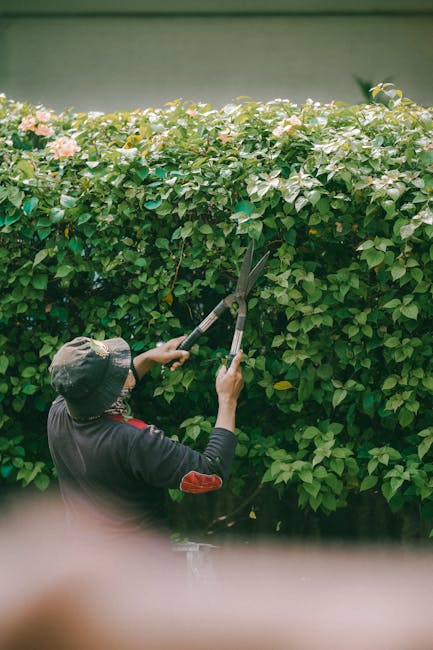
4. Trim hedges and shrubs with intention
Not every green thing wants a hard haircut. Hedges need shape, but many shrubs prefer lighter pruning. If you are not sure what you are dealing with, take less off rather than more. One of the most common mistakes is assuming "tidy" means "flattened". It usually does not.
5. Remove weeds and debris early
Weeds are much easier when they are small. So are piles of leaves, broken stems, and moss build-up. Clear them before they settle in. A minute's effort now can save an hour later. A basic but annoying truth, that one.
6. Feed, mulch, and water at the right time
Plants do better when the soil is improved and moisture is managed sensibly. Mulch helps retain moisture and keeps weeds down. Watering is best done with consistency rather than panic when things already look dry and crispy. Overwatering can be as unhelpful as neglect.
7. Review anything that looks structural
If decking, paving, fencing, tree growth, or retaining edges are affecting the space, do not ignore them. Structural issues can change how you maintain the rest of the garden. In some cases, it is worth looking into tree lopping and removal or broader landscaping support before seasonal maintenance can work properly again.
8. Set a routine you can actually keep
This is the bit people skip. A good routine is not ambitious; it is realistic. If you can spare half an hour once a week, use that well. If you prefer a bigger monthly tidy-up, plan around that. A garden schedule that suits your life is better than a perfect plan you never follow.
Expert Tips for Better Results
Here are the small things that usually make a noticeable difference. Nothing fancy. Just the sort of advice that saves time later.
- Work from the ground up: clear the garden floor before trimming above it, so you can actually see what needs doing.
- Keep tools clean and sharp: blunt blades tear growth rather than cut it cleanly, which can stress plants.
- Do less, more often: regular light work is easier on the garden and easier on you.
- Leave enough growth: especially on lawns and hedges, cutting too aggressively often creates a patchy finish.
- Watch the weather: damp days can be useful for planting, but not always for mowing or heavy cutting.
A practical example: if you notice a hedge starting to bulge into a pathway, trim that early before it becomes a bigger access problem. The same applies to lawn edges creeping into borders. Small corrections keep the whole space looking intentional. And yes, people do notice. Even if they only mention it once over tea.
Another useful habit is to think in zones. Front garden, back garden, side return, hard surfaces, planting areas. Each needs slightly different attention. That stops you treating the whole garden as one lump, which is where a lot of rushed maintenance goes wrong.
Common Mistakes to Avoid
This is the heart of the topic. The following mistakes show up again and again in Ickenham gardens, and they are all easy to make.
1. Cutting the lawn too short
This is one of the biggest errors. Short grass may look neat for a few days, but it becomes weaker, dries out faster, and can invite weeds. A stressed lawn rarely thanks you for the haircut.
2. Trimming hedges at the wrong time or too hard
Hedges are often cut back too severely in the hope of instant tidiness. The result can be sparse growth, uneven recovery, or a shape that looks bare in the wrong places. If in doubt, take less off and leave the structural shape intact.
3. Ignoring drainage and damp areas
It is easy to focus on visible growth and forget the soggy corner that never quite dries out. But poor drainage can affect plant health, encourage moss, and make paths slippery. In some gardens, the real issue is not the planting at all; it is what the water is doing underneath it.
4. Leaving clear-up jobs until they become overwhelming
Loose clippings, dead leaves, broken branches, and old weeds seem harmless at first. Then they compact, rot down, or get tangled into everything else. A five-minute tidy after a larger task saves you from a miserable catch-up later.
5. Using the wrong tool for the job
Strimmers, shears, secateurs, mowers, loppers - they all do different things. Using the wrong one can damage plants or leave an uneven finish. It can also make a simple job take twice as long. Not ideal, obviously.
6. Overwatering or underwatering
Both are common. Some homeowners water whenever the weather feels warm, while others leave plants to fend for themselves for too long. The trick is to check the soil and respond to actual conditions rather than habit alone.
7. Forgetting to maintain hard landscaping
Patios, decking, borders, edging, and paving all need periodic attention too. If you ignore them, weeds and grime creep in, and the garden starts to feel untidy even if the plants are fine. For some gardens, combining maintenance with decking services or general upkeep makes more sense than treating everything separately.
8. Trying to do too much in one session
This is a classic Saturday mistake. You start with good intentions, run out of energy halfway through, and then leave a more chaotic scene than you began with. Better to finish one area properly than scatter work across the entire garden.
9. Pruning without knowing the plant's growth habit
Some shrubs flower on old wood, some on new growth, and some hate heavy pruning altogether. If you cut blindly, you may lose flowers, shape, or recovery time. A little identification goes a long way.
10. Treating maintenance like a one-off event
The garden will not stay neat because you conquered it once in April. Maintenance is a rhythm. Miss the rhythm and the garden starts making the decisions for you.
Tools, Resources and Recommendations
You do not need a shed full of fancy equipment, but a few good basics make maintenance cleaner and safer.
- Sharp lawnmower: better cut quality, less strain on the grass.
- Secateurs and pruning saw: for light shaping and thicker stems.
- Long-handled shears: useful for hedge work and reducing strain.
- Sturdy rake: good for leaves, clippings, and light debris.
- Gloves and protective footwear: practical, especially around hidden thorns, broken edging, or wet ground.
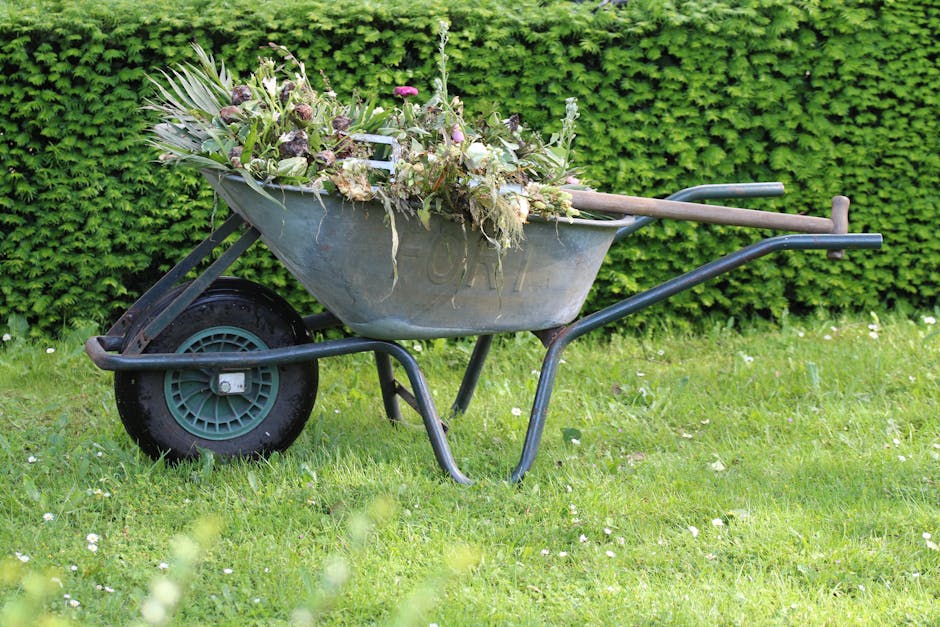
- Wheelbarrow or garden bags: keeps waste manageable instead of piling up in a corner.
If the amount of waste is substantial, or if you are clearing out a neglected space, a structured service such as garden clearance can save a great deal of time and effort. For longer-term upkeep, it may also be worth reviewing pricing and quotes so you can compare options sensibly before you commit.
A small but useful recommendation: keep a simple notes list on your phone with what needs doing each month. Nothing glamorous. Just a few bullet points. It stops you forgetting the same jobs again and again.
Law, Compliance, Standards, or Best Practice
For everyday household garden maintenance, there is usually no complicated compliance process. Still, there are sensible UK best-practice considerations to keep in mind, especially if your work affects neighbours, public pathways, boundary trees, or safety.
First, be careful with anything that could cause injury or nuisance. Branches, hedge trimmings, loose stones, and slippery surfaces should be managed promptly. If you are using machinery or cutting near hard surfaces, think about where debris might travel. That is just common sense, but it is worth saying plainly.
Second, if a tree looks large, damaged, or uncertain in its stability, it is better to stop and assess rather than guessing. Tree work can carry obvious risks, and if the job is beyond routine tidying, professional help is the safer call. Services such as tree lopping and removal exist for exactly that reason.
Third, if you are hiring help, it is reasonable to look for clear communication about safety, insurance, and working practices. A trusted provider should be able to explain how they approach risk and access. You can usually tell a lot from how carefully they answer simple questions. If you want to understand the broader approach, their insurance and safety and health and safety policy pages are a useful place to start.
Finally, good garden care should be practical and respectful of waste handling. Wherever possible, green waste should be sorted and handled responsibly. That is where a provider's recycling and sustainability approach becomes relevant, even for a simple domestic garden job.
Best practice is not about paperwork for its own sake. It is about safe, tidy, sensible work that protects the garden, the people using it, and the neighbours who live alongside it.
Options, Methods, or Comparison Table
Different gardens need different kinds of help. Some homeowners want to keep most things DIY and only call in support for the harder jobs. Others prefer regular professional maintenance because it keeps the whole space under control. Here is a simple comparison.
| Approach | Best for | Pros | Limitations |
|---|---|---|---|
| DIY only | Small, manageable gardens with light growth | Low cost, flexible timing, hands-on control | Easy to fall behind; mistakes can take time to fix |
| Occasional professional help | Homeowners who need support with heavier or technical tasks | Good for hedge work, clear-ups, and seasonal resets | Still requires some personal upkeep between visits |
| Regular maintenance plan | Busy households or larger gardens needing structure | Most consistent finish, fewer neglected areas, less stress | Higher ongoing commitment than DIY |
In many Ickenham homes, the best option is a hybrid one. You do the simple, frequent jobs, and you bring in help for the bigger or riskier tasks. That balance tends to work well because it keeps standards up without turning every month into a project.
Case Study or Real-World Example
Here is a realistic example from the sort of situation many homeowners recognise. A family notices their back garden looking "fine enough" in early spring, so they postpone the usual tidy-up. By the time summer arrives, the lawn has become patchy from being cut too short in a hurry, the hedge is bulging over the path, and the borders are packed with weeds that were easy to miss at first. Nothing dramatic has happened. It is just lots of small things piling up.
They start by mowing hard to get on top of the grass, which makes the lawn look stressed. Then they clip the hedge severely because it feels overdue, which leaves bare sections. The border clear-up takes longer than expected, so the job gets paused halfway through. By this point, the garden is not broken, but it does feel frustrating. And because it now looks worse than before, nobody really wants to go back out and finish it.
The better approach would have been:
- clear the borders first
- check the lawn height and mow gradually
- trim the hedge lightly and evenly
- remove waste straight away
- set a weekly rhythm to keep it all from returning
That sounds simple because it is simple. The difference is not effort alone. It is sequence, patience, and not trying to force a tidy result in one go. Once those habits change, the garden usually settles down again pretty quickly.
Practical Checklist
Use this quick checklist before and after any maintenance session:
- Have I checked the garden for the real priority jobs?
- Am I mowing, trimming, or pruning at the right height and in the right season?
- Do I have the correct tool for the task?
- Have I cleared clippings, leaves, and debris as I go?
- Am I avoiding overwatering or overcutting?
- Have I left enough growth for the plant to recover well?
- Are paths, edges, and access points safe and tidy?
- Is there any larger issue that needs professional help?
- Do I have a realistic plan for next week or next month?
Quick summary: the best garden maintenance is usually the boring kind. Regular, measured, and consistent. Not dramatic. Not rushed. Just steady care that stops small issues from becoming expensive ones. That's the whole game, really.
Conclusion
The most common garden maintenance mistakes Ickenham homeowners make are rarely catastrophic on their own. They are usually smaller than that: mowing too short, trimming too hard, leaving jobs too long, or treating the garden as one big task rather than a series of manageable ones. But small mistakes have a habit of compounding, and in a busy household that can quickly turn a pleasant outdoor space into another item on the to-do list.
The good news is that most of these problems are fixable. With a better routine, the right tools, and a bit more patience around timing, you can keep the garden looking healthier and reduce the amount of catch-up work you face later. And if the job has grown beyond what feels sensible, there is no shame in bringing in help. Sometimes that is exactly the smart move.
If you are ready to get your garden back under control, explore the available services, review the options that suit your space, and take the next step before the clutter has another month to settle in.
Get a free quote today and see how much you can save.
Frequently Asked Questions
What are the most common garden maintenance mistakes in Ickenham?
The biggest ones are cutting lawns too short, trimming hedges too hard, leaving weeds too long, ignoring drainage issues, and trying to do too much in one session. These are small mistakes, but they can create bigger problems over time.
How often should I maintain my garden?
That depends on the size and layout of the garden, but most homes benefit from light weekly attention and a more thorough monthly check. In growing seasons, lawns and hedges often need closer monitoring.
Is it better to do garden maintenance myself or hire help?
For small and simple gardens, DIY can work well if you stay consistent. For larger gardens, overgrown spaces, or jobs involving hedges, trees, or heavy clearance, professional help is often more practical and safer.
Why does my lawn look worse after mowing?
This often happens when the grass is cut too short or the blades are blunt. Wet grass, mowing in one direction every time, or letting the lawn get too long between cuts can also create an uneven finish.
When should hedges be trimmed?
It depends on the hedge type and how fast it grows. Many hedges prefer light, regular trimming rather than one hard cut. If you are unsure, it is usually safer to trim less rather than more.
What should I do if my garden has got overgrown?
Start with clearance. Remove debris, weeds, and dead material first, then tackle lawn, hedge, and border work in stages. If the job is extensive, a garden clearance service can help reset the space.
Are there any safety issues with DIY garden maintenance?
Yes. Slippery paths, hidden debris, sharp tools, unstable branches, and heavy lifting all carry risk. Use proper footwear, protective gloves, and sensible working methods. For larger or higher-risk tasks, get professional support.
How can I stop weeds from coming back so quickly?
Regular removal is only part of it. Mulching borders, keeping soil covered, maintaining clean edges, and dealing with weeds while they are small all help reduce repeat growth. Consistency matters more than one big clean-up.
What if I am not sure whether a tree or branch is safe?
Do not guess. If a tree looks unstable, damaged, or too large to manage safely, it is better to arrange professional assessment or work. Tree-related jobs can become hazardous very quickly.
How do I know whether I need maintenance or full clearance?
If the garden still has structure and only needs routine tidying, maintenance is probably enough. If you cannot see the existing layout properly because of heavy overgrowth, debris, or neglected areas, clearance may be the better first step.
What is the best way to keep garden maintenance affordable?
Keep up with small jobs before they turn into major ones, compare service options carefully, and use a hybrid approach if that suits your space. Planning ahead is usually cheaper than fixing a garden after months of neglect.
Can regular maintenance improve the value of my home?
Well-kept outdoor space generally improves first impressions and makes a property feel more cared for. While every home is different, a tidy, usable garden is often a real advantage when people view a house.
Sometimes the best gardens are not the fanciest ones. They are the ones that are quietly cared for, week after week, with a bit of patience and no drama. That kind of calm really does show.