Swakeleys House Garden Care and Local Gardeners Ickenham: A Practical Guide for Beautiful, Well-Kept Grounds
If you are looking into Swakeleys House garden care and local gardeners Ickenham, you are probably after something quite specific: careful, dependable garden work that respects a historic setting while still making the outdoor space look alive, tidy, and cared for. That is not a small brief. A place like Swakeleys House needs more than a quick mow and a trim. It needs judgement, seasonal timing, and a good eye.
In Ickenham, gardens often sit somewhere between formal and lived-in. Front borders need to look neat from the pavement. Lawns need to survive family use, shade, and the odd wet spell. Shrubs need shaping without looking butchered. And if the job is around a heritage property, the details matter even more. This guide breaks down how local gardeners approach that kind of work, what to expect, what to ask for, and how to choose a team that feels right for the job.
Along the way, you will find practical advice, a comparison of common maintenance approaches, a realistic checklist, and a few things people often forget until the garden has already started slipping. Let's face it, most outdoor spaces do not fail all at once. They drift. Bit by bit.
Table of Contents
- Why Swakeleys House garden care and local gardeners Ickenham Matters
- How Swakeleys House garden care and local gardeners Ickenham Works
- Key Benefits and Practical Advantages
- Who This Is For and When It Makes Sense
- Step-by-Step Guidance
- Expert Tips for Better Results
- Common Mistakes to Avoid
- Tools, Resources and Recommendations
- Law, Compliance, Standards, or Best Practice
- Options, Methods, or Comparison Table
- Case Study or Real-World Example
- Practical Checklist
- Conclusion
- Frequently Asked Questions
Why Swakeleys House garden care and local gardeners Ickenham Matters
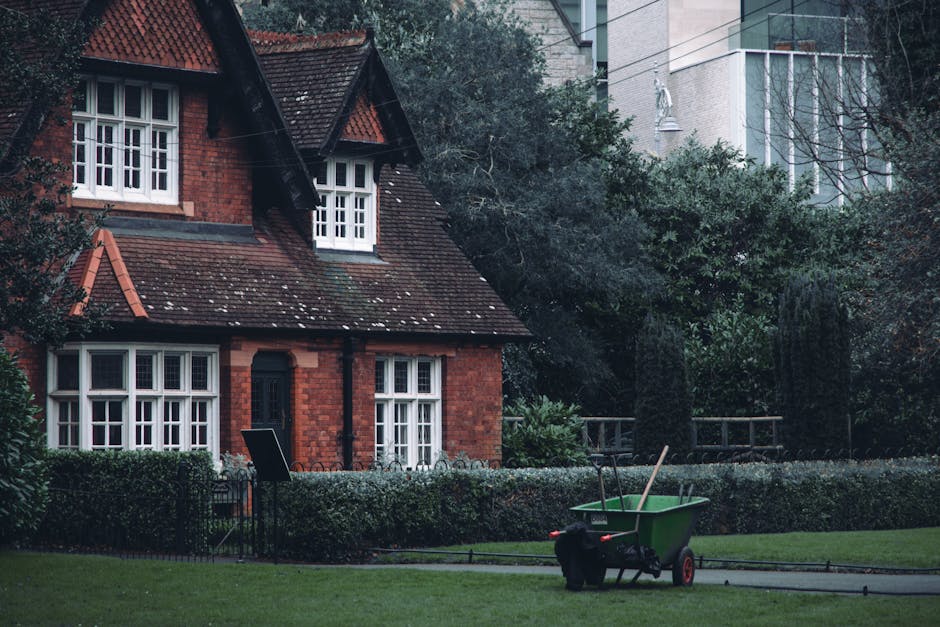
Swakeleys House is the sort of place that makes people slow down a little. The setting, the scale, the history of it all - it creates expectations before you even step into the garden. That is why garden care here is not just about appearance. It is about maintaining a sense of place.
For a heritage-style environment, even small choices can have a big effect. A hedge clipped too hard can look harsh for months. Borders left unweeded can make the whole frontage feel tired. A lawn that is mown too low can dry out quickly in summer, especially if it gets patches of foot traffic. And when the weather flips, as it so often does around west London, the job changes again.
Local gardeners in Ickenham bring one huge advantage: they know the rhythm of the area. They know which corners hold shade, where drainage gets sticky after rain, and how quickly a spring tidy-up can turn into a bigger restoration job if left too long. That local familiarity matters. It saves time, but it also saves mistakes.
Expert summary: Good garden care near Swakeleys House should combine regular maintenance, seasonal planning, and sensitivity to the character of the site. The best work looks natural, not overworked.
There is another reason it matters. In a place that is seen by residents, visitors, and passers-by, presentation affects perception. A well-kept garden suggests care, order, and pride. A neglected one does the opposite. Simple, really, but powerful.
How Swakeleys House garden care and local gardeners Ickenham Works
Garden care for a property like Swakeleys House usually starts with assessment. Not glamorous, but necessary. A gardener will look at the current condition of the lawn, borders, hedges, trees, and hard edges such as paths or beds. They will also look at what the space is trying to be. Formal? Soft and naturalistic? A practical public-facing garden with low-maintenance planting? The answer changes the work plan.
From there, the work normally follows a seasonal cycle:
- Spring: clearing winter debris, refreshing mulch, cutting back dead growth, edging lawns, and re-setting beds.
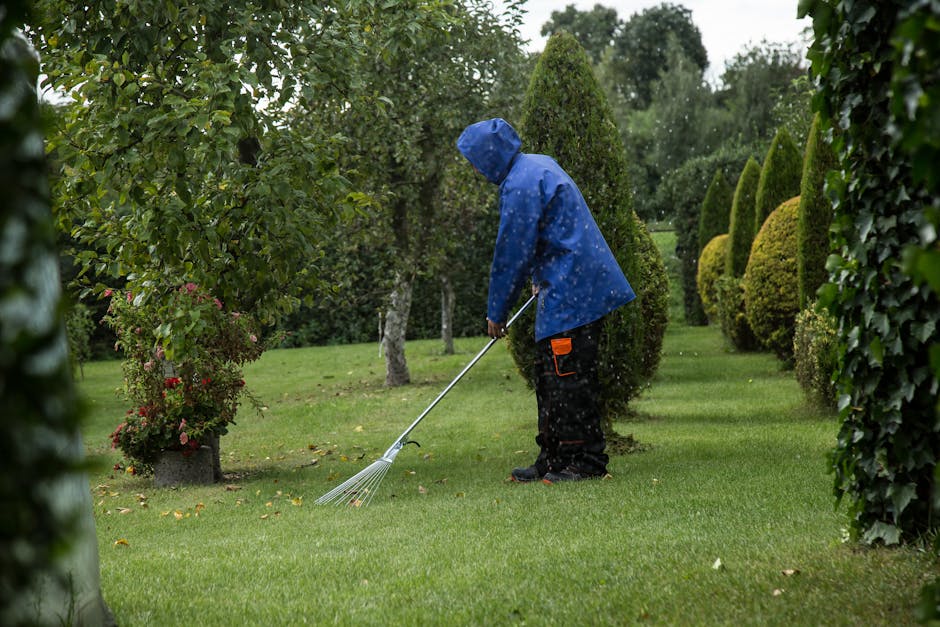
- Summer: mowing, watering where needed, deadheading, hedge control, weed management, and keeping things tidy during growth peaks.
- Autumn: leaf clearance, pruning where appropriate, preparing borders for colder weather, and checking drainage and lawn health.
- Winter: structural pruning, planning planting changes, protecting sensitive plants, and reducing risk from storms or saturated ground.
That sounds straightforward, and in theory it is. In practice, the timing has to be flexible. Some weeks you are focused on weed pressure; other weeks, you are dealing with falling leaves before they turn paths slippery and make the place look forgotten. You can almost hear the difference in a garden before and after a proper tidy-up. Less crunch underfoot. Less rattle in the borders. More breathing room.
Local gardeners also work through an agreed routine. Some clients want weekly or fortnightly visits. Others need seasonal visits and occasional one-off restorative work. Around Ickenham, both models can make sense. It depends on how visible the garden is, how much the site is used, and how much maintenance the planting demands.
For a broader view of what a professional team can cover, it can help to review the full range of garden services and then decide which tasks should be ongoing, seasonal, or one-off.
Key Benefits and Practical Advantages
The obvious benefit is a better-looking garden. But the real value goes deeper than that.
- Consistency: The garden does not swing between looking brilliant and looking forgotten.
- Plant health: Proper timing for pruning, feeding, and clearing helps reduce stress on plants.
- Safer access: Clear paths, cut-back growth, and tidy edges reduce trip and slip hazards.
- Better first impressions: Especially important for a prominent or historic site.
- Less costly recovery work: Regular care is usually easier than rescue jobs after months of neglect.
- Local know-how: Gardeners familiar with Ickenham can spot issues early and work with the conditions, not against them.
There is also a subtle but important benefit: calm. A well-kept garden feels orderly even before you consciously notice it. That makes a difference when people arrive for meetings, visits, family events, or simple everyday use. You notice it in the air, almost. Quiet paths, clipped lines, healthy green, less visual clutter.
If sustainability matters to you - and honestly, it should - many local gardeners now work with composting, responsible green waste handling, and sensible plant choices. You can find more about that approach in the site's recycling and sustainability guidance.
Who This Is For and When It Makes Sense
This kind of garden care is not only for large estates. It makes sense for several different situations in Ickenham and the surrounding area.
- Heritage or landmark properties: where presentation and sensitivity matter.
- Homes with prominent front gardens: where the view from the street needs to stay smart.
- Busy households: where the garden keeps getting pushed to the bottom of the list.
- Landlords or managing agents: who need reliable upkeep without constant supervision.
- Older gardens with mature planting: which need pruning and care from someone who understands structure.
- Anyone preparing for an event, inspection, or property listing: because first impressions do the heavy lifting.
It also makes sense if you have had the all-too-common experience of hiring help that did the obvious bits but missed the details. The lawns looked cut, sure. But the path edges were shaggy, the climbers were tangled, and somehow the whole space still felt unfinished. That is often the difference between basic maintenance and proper garden care.
If you are weighing up whether to bring in regular support, the practical next step is usually a conversation about scope. A reputable local team should be able to explain what they can maintain weekly, what needs seasonal attention, and what should be tackled as a one-off restoration.
Step-by-Step Guidance
Here is a sensible way to approach Swakeleys House garden care or any similar local garden maintenance plan in Ickenham.
- Walk the site properly. Start with a full view of the front, side, and rear spaces. Look for overgrowth, bare patches, moss, weeds, poor drainage, or plants that are simply in the wrong place.
- Separate maintenance from improvement. Some tasks are regular upkeep. Others are renovation work. Mixing the two can make budgets and schedules messy.
- Prioritise safety and access. Paths, steps, entrances, and public-facing edges should be dealt with first.
- Set a seasonal calendar. Decide what happens each month or quarter. This keeps the work steady instead of reactive.
- Choose the right mowing and pruning approach. Not every lawn or shrub should be handled the same way. A heritage setting especially benefits from restraint.
- Review planting health. Dead, diseased, or overcrowded plants can drag the whole space down. Sometimes thinning is kinder than filling.
- Plan waste handling. Green waste should be removed or recycled responsibly, not left in piles that create mess or pests.
- Check the finish. The final walk-through is where details show up: edging, tidiness, clear lines, and whether the garden actually feels balanced.
To be fair, most garden problems are not mysterious. They are just ignored for long enough. Once a proper routine exists, the whole thing gets easier.
For practical next steps on booking or asking for help, the contact page is the natural place to start, while the pricing and quotes information can help you understand how work may be scoped.
Expert Tips for Better Results
Small habits make a surprisingly big difference in garden care. The trick is knowing which ones actually matter.
- Do not overcut lawns in dry spells. A slightly higher cut is often kinder and keeps the turf stronger.
- Prune with the plant, not against it. Every shrub has a growth habit. If you ignore that, it shows.
- Keep borders edged neatly. A crisp edge can make even a simple garden look much better, almost instantly.
- Use mulch at the right time. It helps suppress weeds, retain moisture, and improve the visual finish.
- Watch for compaction near paths and entrances. High-traffic areas often need different care from the rest of the lawn.
- Inspect after storms. A wet, windy afternoon can leave damaged branches or hidden hazards.
Here is a practical one that many people miss: if a garden looks dull but not obviously damaged, the issue is often not the plants themselves. It may be contrast. Too much same-height growth, too many soft edges, too little definition. A skilled gardener knows how to create shape without making the place look over-designed. That balance is the whole game.
And yes, sometimes the answer is simply patience. A tired border rarely turns around overnight. Garden work has a rhythm. It does not like being rushed. Bit annoying, but true.
Common Mistakes to Avoid
Most garden care mistakes are not dramatic. They are just easy to repeat.
- Leaving maintenance too long: a small job becomes a bigger, more expensive one.
- Cutting hedges or shrubs at the wrong time: which can ruin shape or affect flowering.
- Trying to make everything look "tidy" in the same way: which can flatten a garden's character.
- Ignoring drainage or soggy patches: especially around compacted areas and shaded ground.
- Using the wrong planting for the site: sun-loving plants in deep shade do not magically adapt.
- Assuming all gardeners offer the same standard: they do not, not even close.
Another one: not asking enough questions before the work starts. If a gardener is going to care for a visible or sensitive site, you want clarity on timing, communication, access, waste removal, and what happens if something unexpected turns up. Better to ask up front than have a misunderstood job on your hands later.
Some customers also forget that the cheapest quote is not always the best value. If the work is around a high-visibility or heritage environment, a careful approach is worth paying for. Not flashy. Just careful. There is a difference.
Tools, Resources and Recommendations
Good garden care relies on the right kit, but not necessarily the most expensive kit. In fact, some of the best results come from solid basics used properly.
| Task | Useful tools or materials | What good practice looks like |
|---|---|---|
| Lawn care | Mower, edging tool, rake, feed if appropriate | Even cut, clean edges, no scalping, and attention to damp patches |
| Border maintenance | Secateurs, hand fork, hoe, mulch | Weeds removed early, soil left tidy, plants not crowded |
| Hedge and shrub care | Hedge trimmer, loppers, pruning saw | Shape preserved, flowering cycles respected, no harsh overcutting |
| Leaf clearance | Rake, blower where suitable, sacks or collection bags | Paths and lawns kept clear, leaves handled before they compact |
| Waste handling | Green waste bags, composting system, transport arrangements | Responsible disposal or recycling with no mess left behind |
For many clients, the most useful support is not a huge toolkit list but a reliable service structure. That is where a broader service overview helps, along with clear expectations about availability and scope. You can also review the team's about us page to get a better sense of approach and working style.
If the site includes areas where people work while the garden is being maintained, take a look at the health and safety policy and insurance and safety information. Those pages matter more than people think. Not glamorous, no, but very useful.
Law, Compliance, Standards, or Best Practice
Garden care is not usually a heavily regulated activity in the way construction or medical work is, but there are still important standards and duties to think about, especially on prominent or publicly visible sites.
In practical terms, that means working safely around tools, avoiding damage to property, managing waste responsibly, and protecting visitors, residents, or staff from avoidable risk. If a garden is part of a heritage property or managed environment, care should also be taken not to harm historic features, root systems, or protected planting without proper consideration.
Best practice usually includes:
- clear communication before work begins
- safe handling of machinery and hand tools
- appropriate insurance cover
- respect for privacy and access arrangements
- responsible waste removal and recycling where possible
- careful pruning and timing, especially for mature planting
If you are comparing providers, it is sensible to ask about policies, terms, and what happens in the event of a complaint or access issue. The site's terms and conditions, complaints procedure, and accessibility statement can help show how seriously a company treats service standards and customer experience.
There is no need to overcomplicate this. The safest providers are usually the ones who are upfront, tidy in their process, and willing to explain how they work. Simple, steady, honest. That is what you want.
Options, Methods, or Comparison Table
Different properties need different levels of support. Here is a practical comparison to help you think it through.
| Approach | Best for | Strengths | Watch-outs |
|---|---|---|---|
| One-off tidy-up | Overgrown or neglected gardens | Fast visual improvement, good reset point | Problems return if no follow-up routine is set |
| Weekly or fortnightly maintenance | Visible gardens and busy properties | Consistency, stronger plant health, fewer surprises | Requires ongoing budget and scheduling |
| Seasonal visits | Smaller or lower-use gardens | Good value, targeted work at the right time | May not suit fast-growing or high-visibility sites |
| Renovation plus maintenance | Gardens needing both repair and upkeep | Transforms a tired space and keeps it there | Needs clear planning and realistic timelines |
For Swakeleys House garden care and local gardeners Ickenham, the best option is often a blend. A careful initial improvement visit, followed by structured maintenance. That is usually the sweet spot. Not always, but often.
Case Study or Real-World Example
Imagine a front and side garden in Ickenham that has good bones but has drifted over time. The hedge is slightly uneven, the lawn has patchy edges, weeds have crept into the border, and the path is starting to feel narrow because of overgrowth. Nothing dramatic. Just tired.
A local gardener might begin with a full clear-up: edging the lawn, removing weeds, cutting back overhanging growth, and reshaping the hedge without stripping it bare. The borders would be tidied and mulched. Then the lawn would be assessed for compaction or thin areas. If needed, the follow-up plan might include aeration, feeding, and a mowing schedule that avoids stressing the grass.
After that first session, the garden would not just look better. It would feel easier to maintain. More open. Safer underfoot. Less like a battle. And this matters because the right first clean-up changes what happens next. Good maintenance always starts by making the garden easier to care for.
That sort of work is also where a local team earns trust. They see the result, yes, but they also notice the small things on return visits: whether moss is coming back, whether drainage is still an issue after rain, whether a shrub has started to lean again. The attention is in the repeat visit. That is the bit people often value most, even if they do not say it out loud.
Practical Checklist
Use this checklist before you book or review garden care for a property like Swakeleys House.
- Walk the whole site and note priority areas.
- Identify what needs urgent attention versus routine upkeep.
- Confirm whether the garden is public-facing, private, or mixed-use.
- Ask how the gardener handles waste and recycling.
- Check whether insurance and safety procedures are in place.
- Clarify access, timing, and any restrictions on working hours.
- Agree what should happen with hedges, shrubs, lawns, and beds.
- Decide if you need one-off work, seasonal visits, or regular maintenance.
- Review terms, pricing, and communication expectations.
- Plan a follow-up check after the first visit.
Quick takeaway: the better the brief, the better the garden. A good local gardener can work wonders, but they still need a clear starting point. Otherwise everyone ends up guessing a bit, and nobody wants that.
Conclusion
Swakeleys House garden care and local gardeners Ickenham is really about more than maintenance. It is about preserving character, improving safety, and keeping an outdoor space looking as though someone genuinely cares for it. The best results come from steady work, local knowledge, and a clear plan for each season.
If you are deciding whether to book help, start with the condition of the garden and the level of polish you actually need. A small regular service may be enough. A bigger reset may be smarter first. Either way, the aim is the same: a garden that feels looked after, not merely cut back.
Get a free quote today and see how much you can save.
And if you are still weighing it all up, that is fine too. A well-tended garden is rarely built in one go. It grows into itself, one careful visit at a time.
Frequently Asked Questions
What does Swakeleys House garden care and local gardeners Ickenham usually include?
It usually includes lawn mowing, edging, border weeding, hedge and shrub care, seasonal pruning, leaf clearance, and general tidying. For a sensitive or prominent site, the work may also include more careful shaping and planning.
How often should a garden near Swakeleys House be maintained?
That depends on visibility, plant growth, and usage. Weekly or fortnightly visits suit busy or high-profile gardens, while seasonal visits can work for lower-maintenance spaces.
Are local gardeners in Ickenham better for heritage-style properties?
Often, yes. Local gardeners usually understand local conditions, common planting patterns, and the kind of presentation expected in the area. That local familiarity can make the work more precise.
What is the difference between garden maintenance and garden restoration?
Maintenance keeps a garden in good shape. Restoration deals with overgrowth, neglect, or areas that need a bigger reset before regular upkeep can begin.
How do I know if a gardener is the right fit for a property like this?
Look for clarity, experience, sensible communication, and a careful approach to safety and presentation. If they can explain their process without making it sound vague or rushed, that is a good sign.
Can local gardeners help with both lawn care and hedges?
Yes, most can. In fact, combining those tasks often gives a much better result because the garden starts to feel balanced rather than partially finished.
What should I ask before booking garden care in Ickenham?
Ask about the scope of work, frequency, waste removal, insurance, safety procedures, and whether the quote covers one-off improvements or ongoing maintenance.
Is sustainability part of modern garden care?
It should be. Many gardeners now use responsible green waste handling, composting, and plant choices that suit the site better and need less intervention. The site's recycling and sustainability guidance is a useful reference point.
How can I keep a garden tidy between visits?
Focus on the basics: light weeding, sweeping paths, deadheading where appropriate, and checking for fallen branches after windy weather. Small tasks stop bigger problems building up.
What are the biggest mistakes people make with garden care?
The most common ones are leaving maintenance too long, pruning at the wrong time, and choosing the cheapest service without checking quality or process. Those shortcuts usually cost more later.
Do I need a formal quote for garden work?
It is usually wise, yes. A quote helps define the scope and avoids confusion about what is included. It also gives you a chance to compare value, not just price.
Where should I start if I want to arrange local garden care?
Start by reviewing the service options, then check the company's approach to pricing, safety, and terms. If everything looks sensible, use the contact page to discuss the garden and the results you want.